
Clinical clarity for daily readings
Learn proper cardiovascular self-monitoring techniques and understand your systolic and diastolic trends with clear, non-diagnostic educational guides.
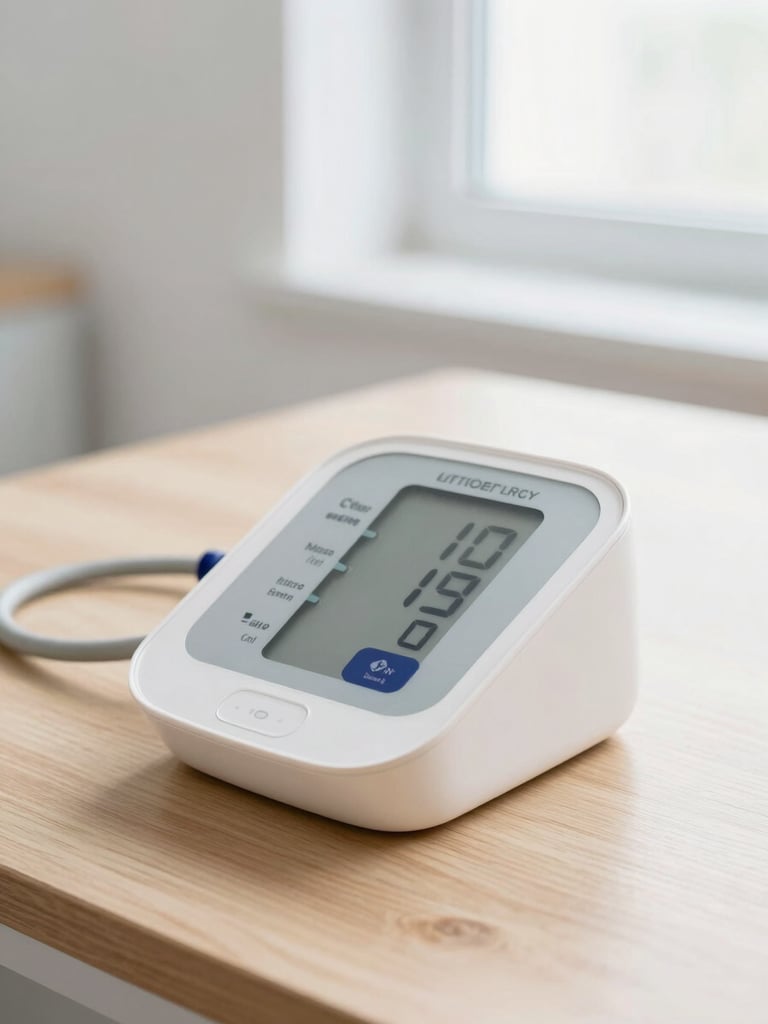
Proper measurement protocol
Rest and prepare
Position the cuff
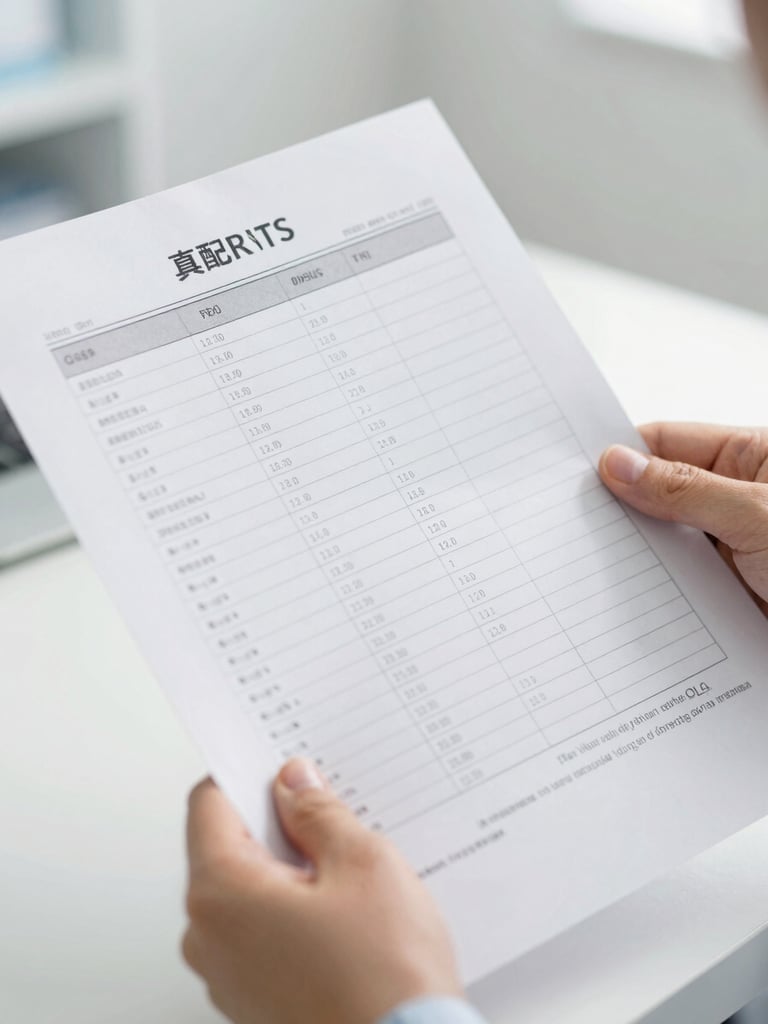
Log consistently
Sit quietly for five minutes before taking a reading. Avoid caffeine, exercise, or smoking for thirty minutes prior to ensure baseline stability.
Place the cuff on your bare upper arm, aligned with heart level. Support your arm on a flat surface with feet flat on the floor.
Take two readings one minute apart, morning and evening. Record every number without diagnostic guessing to build a reliable history.
Understanding your numbers
Access evidence-based articles designed to help you interpret systolic and diastolic trends and manage lifestyle factors effectively.
Systolic versus diastolic pressure
Understand what the top and bottom numbers represent. Learn how arterial resistance influences pressure readings and why consistent patterns matter more than single logs.
Sodium and arterial tension
Examine the physiological relationship between sodium intake and fluid retention. Learn evidence-based dietary adjustments that support healthy cardiovascular function over time.
Frequently asked questions
When is the best time to log?
How do I ensure accuracy?
Measure twice daily: once in the morning before medication or breakfast, and once in the evening. Consistent timing ensures your doctor receives a reliable trend analysis.
Keep your arm supported at heart level, sit back with feet flat, and remain silent during the reading. Avoid talking or moving to prevent artificial spikes.
Is this data secure?
Why do my numbers fluctuate?
Your logs are stored locally on your device. We do not sell or share your personal health data, ensuring complete privacy before your next clinical visit.
Blood pressure responds dynamically to stress, physical activity, temperature, and posture. A single high reading is not a diagnosis; long-term trends are what clinically matter.
BP Tracker
Clinical-grade cardiovascular logs for your next doctor visit.
Platform
Home
Tracker
Reports
Guides
Support
support@bptracker.org
Secure, non-diagnostic health utility
© 2026 BP Tracker-Secure self-monitoring utility.
Clinical clarity, heart-level accuracy